October 20, 2025
Why Shoestring Fries Are a Profitable Product for Importers
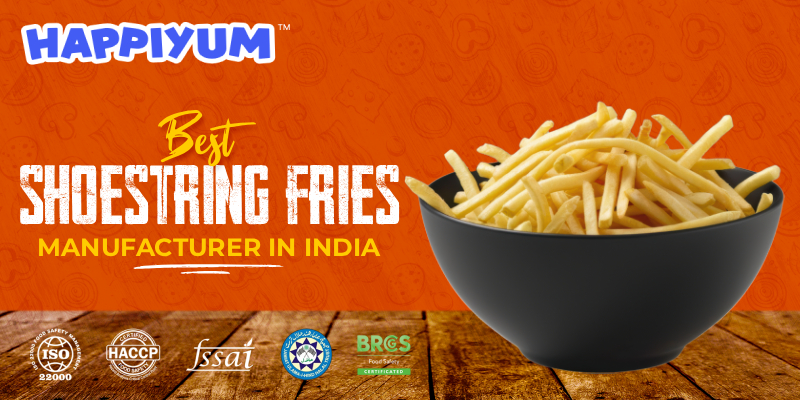 Did you ever wonder how nearly all the fast-service restaurants, from New York to Nairobi, serve shoestring fries in their own way? Not by chance, but a clever business move. Shoestring french fries have secretly turned into one of the most lucrative frozen products of food brands and importers across the globe.
They use fewer raw potatoes, cook quickly, and provide the crunch that consumers desire. In fact, due to their thinness, they cover a greater plate area with less potato—a small yet compelling advantage that improves profit margins. When sourced from India, where frozen french fries are manufactured using modern technology and consistent export-quality processes, these fries become an exceptionally smart business decision.
Did you ever wonder how nearly all the fast-service restaurants, from New York to Nairobi, serve shoestring fries in their own way? Not by chance, but a clever business move. Shoestring french fries have secretly turned into one of the most lucrative frozen products of food brands and importers across the globe.
They use fewer raw potatoes, cook quickly, and provide the crunch that consumers desire. In fact, due to their thinness, they cover a greater plate area with less potato—a small yet compelling advantage that improves profit margins. When sourced from India, where frozen french fries are manufactured using modern technology and consistent export-quality processes, these fries become an exceptionally smart business decision.
The Global Appetite for Thin, Crispy Fries
The frozen French fries market is booming, and it is estimated to reach USD 31 billion by 2030. Shoestring fries have carved out their own place within this growing market by matching today's eating habits: quick service, lighter portions, and ready-to-cook convenience. Restaurants love them because they cook evenly and reduce preparation time. Consumers enjoy them because they are light, crispy, and satisfying. For importers, this translates into high demand, faster inventory turnover, and more consistent profit cycles. This trend is no longer limited to fast-food chains. Cafés, bars, and even retail stores now offer flavored and seasoned shoestring fries—such as peri-peri and herb varieties—transforming a simple side dish into a complete product category.Why India Leads the Shoestring Revolution
India has emerged not merely as a participant but as a global leader. Today, it is one of the world's most reliable and competitive suppliers of wholesale frozen French fries. States such as Gujarat and Uttar Pradesh, producing over 60 million tonnes of potatoes annually, specialize in premium potato varieties like Santana and Innovator. These varieties have high dry matter and low sugar content, making them ideal for producing fries that maintain their shape, absorb less oil, and deliver the crispy-outside, fluffy-inside texture preferred by QSR brands worldwide. However, success is not only about the potatoes. Modern Indian processing plants now compete with the best facilities in the world. Leading Indian shoestring fries manufacturers utilize advanced technologies such as IQF (Individual Quick Freezing), optical sorting, and automated cutting systems to ensure consistent size, texture, and quality across every shipment. Combined with internationally recognized certifications such as FSSC, HACCP, and ISO, importers can confidently rely on Indian suppliers for food safety, consistency, and large-scale production.Balancing Cost and Quality – The Importer's Advantage
This is one of the biggest reasons why shoestring fries have become so profitable for importers—they are remarkably efficient. The thinner the cut, the higher the output from every kilogram of potatoes. When combined with India's lower production, energy, and logistics costs, importers receive a product that delivers both healthy margins and dependable consistency. Unlike many Western suppliers that focus only on standard SKUs, Indian manufacturers offer extensive customization. Importers can choose:- Different cut sizes
- Various coating options
- Customized packaging
- Private-label solutions
What Sets Indian Shoestring Fries Apart
Ask international buyers today, and many will tell you the same thing: Indian fries have evolved significantly. Importers are no longer attracted only by competitive pricing—they also value the consistent quality and professional presentation.Consistent Texture and Size
Automated cutting systems ensure every fry maintains uniform dimensions, making them ideal for franchise restaurants and standardized foodservice operations.Extended Shelf Life
Advanced drying and freezing technologies reduce oil absorption while helping the fries remain crispy after cooking.Safe Global Shipping
Temperature-controlled reefer logistics and moisture-resistant packaging preserve product quality throughout transportation—from the processing plant to international ports. Today, India exports frozen fries to numerous countries across the Middle East, Africa, Southeast Asia, and Latin America, proving that exceptional quality and competitive pricing can successfully go hand in hand.Turning Thin Cuts into Thick Profits
At the end of the day, shoestring fries are about much more than great taste—they represent smart sourcing. They reduce raw material costs, cook faster, and provide endless menu possibilities. Importers partnering with leading shoestring fries manufacturers in India benefit from scalable production, customized manufacturing, and brand-ready packaging solutions. In short, India has transformed shoestring fries into a global business opportunity, where every golden pack represents innovation, efficiency, and profitability. Because in today's fast-moving food industry, the thinner the cut, the thicker the profit.RELATED BLOGS
Potato Harvest in Europe 2026: What Lower Production Means for Frozen Fries Buyers
In 2026, the harvest of potatoes in Europe is predicted to be much less than 2025. Potato production in several important growing areas has been impacted by lower planted acreage, reduced yields, and summer weather conditions. The 2026 European crop will therefore be an important one to watch for buyers and businesses dealing in frozen […]
Potato Flakes Import Guide for Malaysian Importers
Malaysia has a growing food-processing and foodservice industry, creating demand for convenient potato ingredients. While frozen French fries are widely used by restaurants, QSRs, hotels, and foodservice operators, Potato Flakes in Malaysia serve a different purpose. The food industry, bakery, and snack makers primarily use them as a dehydrated potato product. Finding the best price […]
Guide to Import Potato Starch from India
Importing potato starch from India involves more than finding a supplier and comparing prices. International buyers need to confirm the potato starch grade, customs classification, food‑safety requirements, quality specifications, documentation and total landed cost before placing a bulk order. To solve this problem, here is a practical guide covering the things an importer should check. […]